- +(98) 26-3275-4571
- info@arushabuilder.com
- Mon - Sat 8:00 - 17:30, Sunday - CLOSED

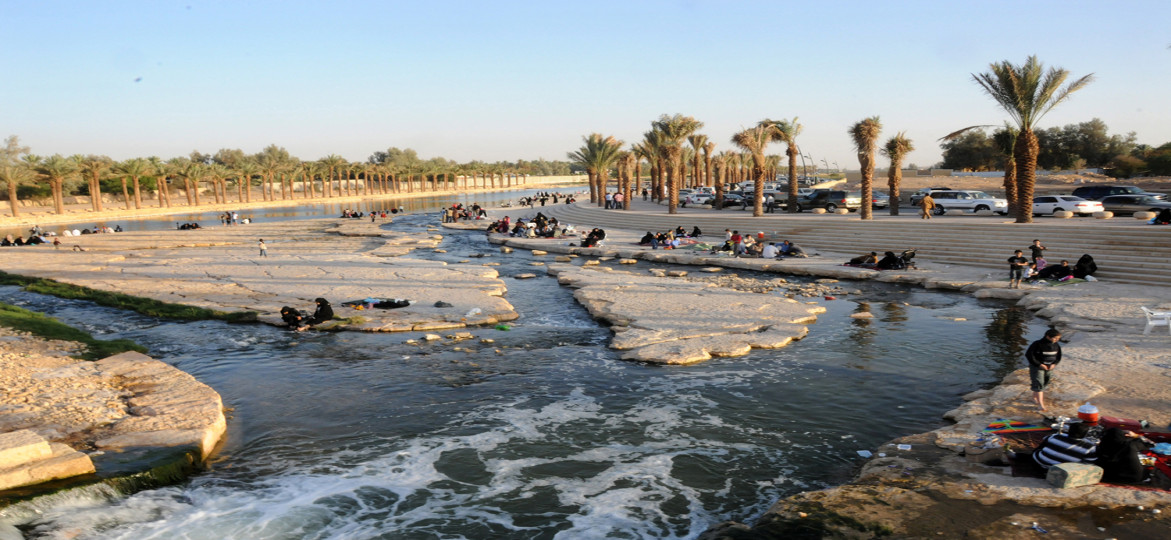
In the heart of Jordan’s capital, the long‑dry Wadi Seer riverbed had been a neglected sewage and waste channel for centuries. Our project was not a luxury tower, but restoring life to 3 km of this urban waterfront. We created a linear park with a natural water treatment system (bio‑swales & constructed wetlands), pedestrian and cycling paths, and a cultural center with contemporary architecture inspired by Jordan’s ancient pottery.
A key feature: “undulating shade‑casting structures” made of precast white concrete, echoing Amman’s hills while providing shelter along the paths.
We aimed to transform this dead river into a “green urban spine” — a public space not only for the wealthy, but for all surrounding residents — from Syrian refugees to local Jordanian families — to gather, play, and rest. A deeper goal was to capture and filter the city’s stormwater to recharge groundwater and reduce the urban heat‑island effect.
Deep Pollution: Decades of contamination left the soil laden with heavy metals and industrial waste. Clean‑up required bioremediation with specialized bacteria and safe removal of thousands of tons of polluted soil.
Deadly Flash Floods: The wadi can become a raging torrent during rains. The park’s design had to “work with the flood” — concrete channels were graded to guide water into natural basins, not fight against it.
Heritage Preservation: Construction uncovered ancient Roman and Islamic remains along the route. Work halted immediately for archaeological collaboration, and path layouts were redesigned to respect these findings.
Social Acceptance: Locals had known the area as dangerous for decades. Community engagement through co‑design workshops and hiring local labor was key to turning fear into a sense of ownership.